
The Physiology of Getting Unstuck
What we do is best described as somatic therapy — nervous system therapy that works with the body directly, not just the mind.
Most approaches to athlete recovery stop at the tissue or stall out in conversation. We work at the level in between: the autonomic nervous system, where stress gets stored as physical hesitation or self-doubt long after the event that caused it is over.
SOMATIC WORK
At the center of our approach is a broad commitment to somatic work: treating the body as a primary source of information, not a symptom report to be managed around. Two of our primary tools — NET and muscle testing — are both held, along with the somatic work underneath them, as legitimate, effective tools in their own right, not a supplement to some other “real” treatment.
Underneath the techniques, we understand people as made up of different parts: protective parts that took over during an injury or a high-stress season, parts that are still guarding, parts that just want to feel safe in the body again. That framework, drawn from Internal Family Systems (IFS), isn’t a separate service we offer or a modality we announce session to session, it’s part of how we make sense of why a stress response formed the way it did and why it’s held on.
Some clients connect strongly with that parts-language and want to work with it directly; for others, it stays entirely in the background while the physical work — NET, muscle testing, somatic integration, does the talking. Either way, it’s one more lens we bring to understanding what your nervous system is doing, not a technique layered on top of the core work.

The Crossover Method
Most approaches start the moment you sit down and start talking. Your nervous system is still in “external world mode,” carrying the stress of traffic, academic or work pressures, the mental load of your day.
At Crossover, every session follows The Crossover Method—a three-part approach designed to work with your nervous system, not against it. You don’t just process stress. You learn to regulate yourself, read your body’s signals, and build lasting capacity for change.
Full Session Experience: 90 minutes
The Crossover Window
Your nervous system warm-up before every session
Visit Looks Like
Integrated Processing
Where body meets mind—fluidly, not rigidly
Visit Looks Like
The Crossover Cool-Down
We don't rush you out the door
Visit Looks Like

Our Foundation is
Athlete-Centered Care
Before we’re somatic practitioners or body-based therapists, we’re licensed professional counselors trained in the art of therapeutic relationship.
Athlete-centered therapy means:
- We listen deeply to what you’re experiencing, not just what you’re saying
- We create safety for all parts of you to emerge without judgment
- We collaborate rather than prescribe—this is your healing journey, not our agenda
- We honor your pace and what feels right for your system
- We trust your internal wisdom even when parts of you are in conflict
This foundation is what makes the body-based work effective. Without the safety of a non-judgmental relationship, your nervous system won’t open enough to release protective stress patterns. Without collaboration, techniques become things “done to you” rather than tools you learn to use yourself.
You’ve been analyzed, critiqued, and told what to do your entire athletic career. Coaches break down your mechanics. Trainers prescribe your workouts. Even your mental training shows up as another set of skills to implement.
We strive for our approach and techniques to be used with you, not on you. We follow what your body shows us, not a treatment manual.
MIND-BODY SYNERGY
We don’t treat the mind and body as two separate systems that happen to share an address. The autonomic nervous system doesn’t distinguish between a physical injury and an emotional one — both get stored the same way, as stress patterns held in the tissue. Our work follows that dialogue instead of splitting it apart.
WORKING WITH YOUR CARE TEAM
We rarely work in isolation. Where it’s useful, we coordinate directly with your physical therapist, chiropractor, team trainer, or orthopedic specialist, so the nervous system work happens alongside — not apart from — the rest of your recovery.
Neuro Emotional Technique (NET)
Your body reacts to old injuries and losses before your mind catches up. NET finds these stuck stress patterns and releases them so your nervous system stops running programs that no longer serve you.
Find Your Starting Point
Concussion recovery, sports injury, chronic pain, identity transition, performance blocks — see where your story fits.
Frequently Asked Questions
How is this different from personal training or sports psychology?
Personal training focuses on physical fitness and performance. Sports psychology works with mental skills for competition. We address the trauma and identity crisis that happens when sport ends or injury changes everything. We’re treating nervous system dysregulation, not building athletic performance.
I'm not an athlete anymore. Can this still help?
Yes. If you were ever an athlete and struggled with injury or transitioning out of sport, you likely have unresolved nervous system patterns from that experience, even if it was years ago. Many of our clients are decades removed from their athletic careers but still carry the trauma of identity loss.
Do you work with current athletes?
Yes, especially those dealing with:
- Injury recovery (physical healed, mental struggle remains)
- Post-concussion syndrome
- Performance anxiety after return to play
- Identity questions while still competing
- Contemplating retirement
Do I need to be in good shape?
No. Our movement protocol is designed for YOUR body’s current capacity, whether you’re dealing with chronic injury, post-concussion symptoms, or haven’t moved intentionally in years. We modify everything to meet you where you are. The movement isn’t about fitness, it’s about nervous system communication.
How long does treatment take?
This varies based on complexity of trauma and your goals. Some clients experience significant relief in 6-10 sessions. Others work with us for 6-12 months to fully process identity transition and build new sense of self. We’ll discuss realistic timelines in your initial consultation.
What if I've tried therapy before and it didn't work?
Most of our clients have tried traditional therapy without success. If you felt like your therapist didn’t understand athletic identity, if talking about it didn’t change anything, or if you couldn’t connect thoughts to feelings, this approach is designed for exactly that.
Can I do this while still seeing another therapist?
Yes, though we recommend coordinating care. Some clients work with us specifically for athletic trauma while seeing another therapist for general mental health support. We’re happy to collaborate with other providers.
What's your cancellation policy?
We require 24-hour notice for cancellations. We understand that athletes have unpredictable schedules and injuries, so we work with you when emergencies arise.
Do you offer virtual sessions?
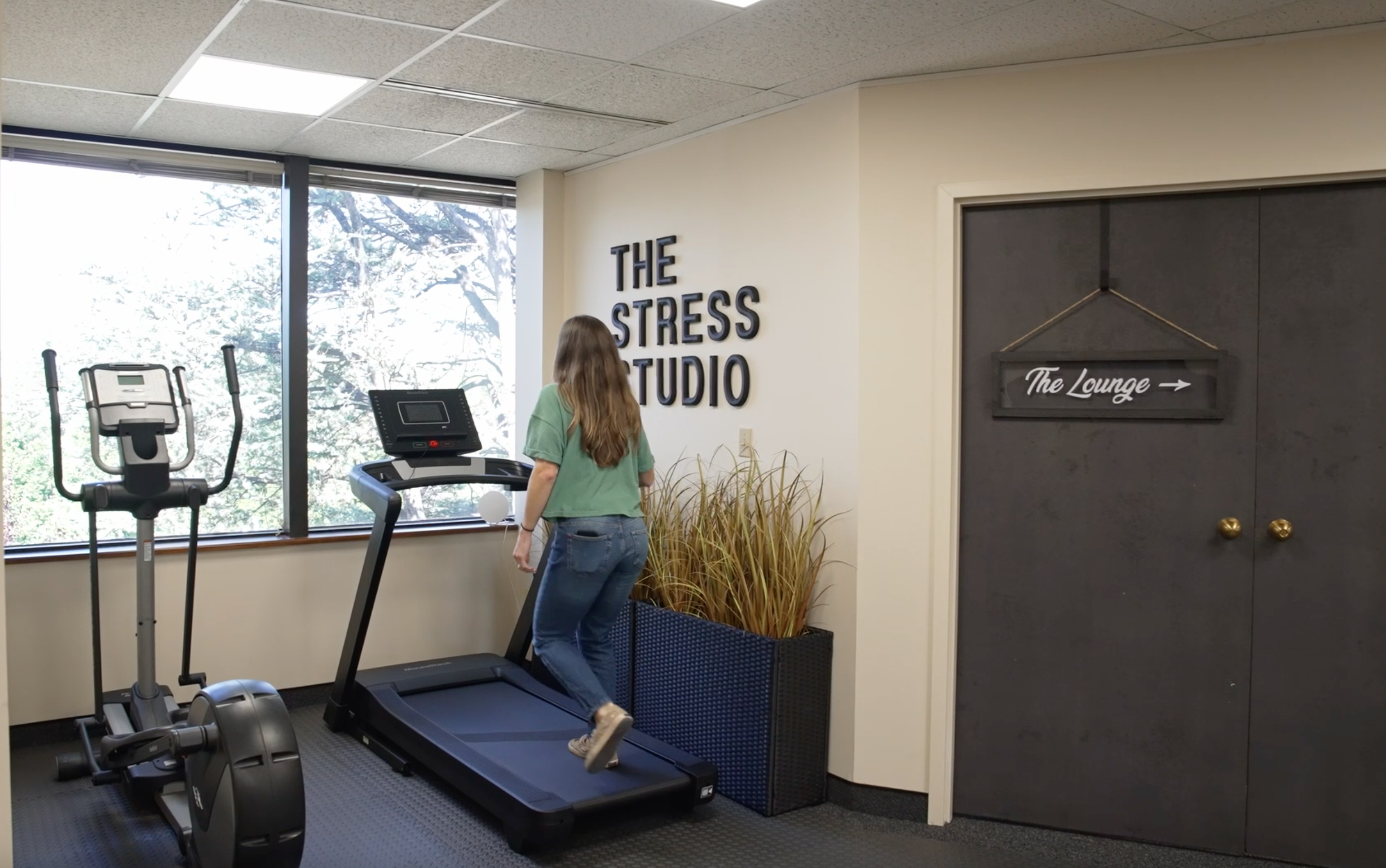
We offer limited virtual sessions for established clients. Our movement-based approach is most effective in person with access to our fitness studio.