
CHRONIC PAIN PATTERNS
Unexplained. Still Real.
Unexplained pain that persists long after an injury should have resolved is exhausting. And it’s not just physical, it’s the ongoing work of managing a nervous system in multiple, unrelenting forms of distress regardless of what you do. If you’ve been through the medical workup and you’re still looking for something that addresses what’s happening underneath the pain itself, this is where we come in.
Chronic pain often involves a nervous system that has stayed in a protective, hypervigilant state. This looks like constant monitoring of pain levels and symptoms, proactive patterns to decrease likelihood of feeling more pain, and anticipation of future pain while discouragement about the potential to have life without pain. That ongoing autonomic activation can itself become an amplifier of the pain experience, layered on top of whatever the initial physical cause was.
Using NET and muscle-testing biofeedback, we work to isolate where the nervous system is holding a stress pattern connected to the pain and support its discharge. This is autonomic regulation work aimed at the nervous system’s role in chronic pain, not a treatment for the underlying medical condition itself.
If you have a diagnosis such as Complex Regional Pain Syndrome (CRPS) from your physician, this work is designed to sit alongside your medical care, offering nervous-system-level support for the autonomic component of chronic pain. We don’t diagnose or treat CRPS directly, and this isn’t a substitute for the treatment plan from your physician or pain specialist. We’re glad to coordinate directly with them.
WHEN NO ONE CAN EXPLAIN IT
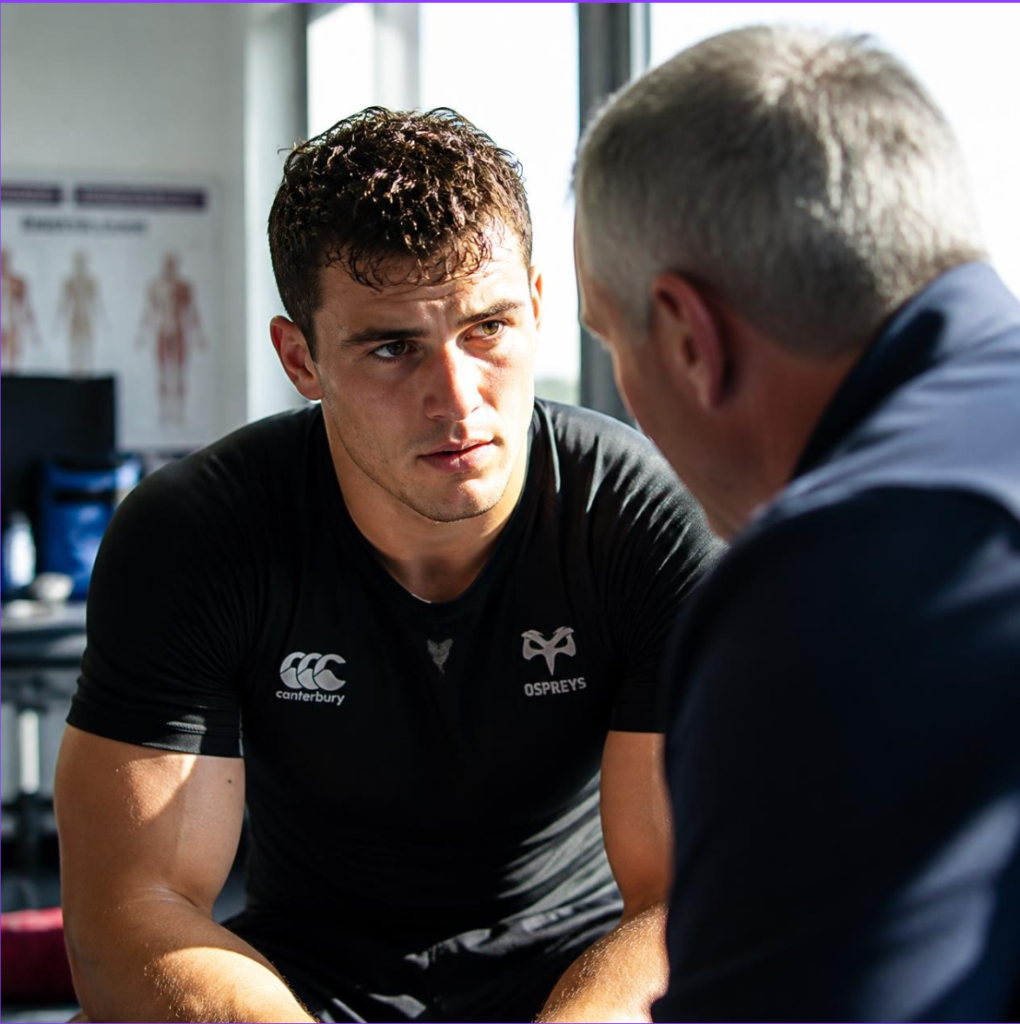
You've Seen Every Specialist. No One Has an Answer.
The specific exhaustion of the diagnostic journey; going to appointment after appointment, test after test, and either no answer or an answer that doesn’t explain what you’re actually feeling. Some patients get told, directly or indirectly, that it might be “just stress” or “in your head.”
What We Work Through:
✓ The toll of repeated medical appointments with no resolution
✓ Feeling dismissed or not believed
✓ The gap between test results and lived experience
✓ Fatigue from constantly advocating for yourself
✓ Finding a next step when “more tests” isn’t it
The Flare-Up You Can't Predict
Good Days, Then Suddenly Not.
The specific anxiety of not knowing when pain will spike; needing to plan life around a body that won’t give you a schedule, and the hypervigilance that builds from constantly scanning for warning signs. A good morning can turn into a bad afternoon with no clear trigger, which makes it hard to trust your own body’s signals from one day to the next.
Over time, that unpredictability starts shaping decisions that have nothing to do with pain itself. It turns into constant thinking around: what you commit to, what you avoid, how far in advance you’re willing to make plans. The nervous system stays braced for the next flare-up long after the last one has passed, which often makes the whole system more reactive, not less.
What We Work Through:
✓ The unpredictability of flare-ups
✓ Hypervigilance and pain-scanning
✓ Planning your life around uncertainty
✓ The toll of “waiting for it to happen”
✓ Building a nervous system that isn’t stuck bracing for the next flare
MOVING WITHOUT FEAR
Your Body Learned That Movement Means Pain. We Help It Unlearn That.
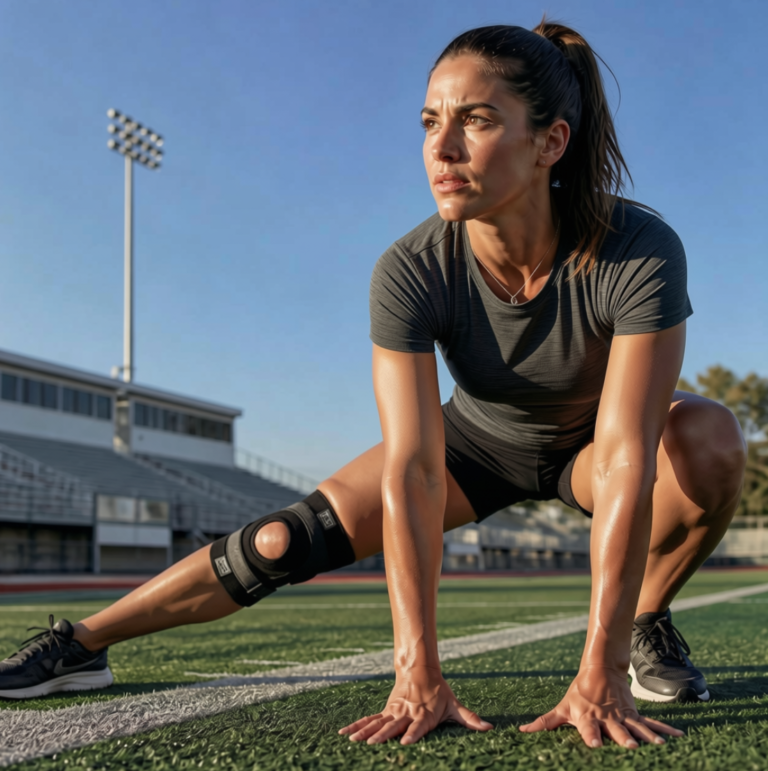
The fear-avoidance cycle is one of the most common patterns we see: you move less because movement has meant pain before, and that avoidance often makes the whole system more guarded — and over time, more sensitive, not less. What started as a reasonable, protective response to a real injury can quietly become the thing keeping the pain going long after the original cause has healed or stabilized.
Breaking that cycle takes more than convincing yourself it’s safe to move again. It takes your nervous system actually believing it, which is a physiological shift, not a mental one. We work with that shift directly, movement by movement, at a pace your system can actually keep up with.
What We Work Through:
✓ Autonomic nervous system support alongside your medical treatment plan
✓ Fear of movement or specific activities
✓ The guarding that builds from avoiding pain
✓ Reduced activity making the nervous system more reactive, not less
✓ Rebuilding trust in your body’s ability to move safely
✓ Small, nervous-system-paced re-engagement with movement
Where Clients Typically Start
For an in-depth, concentrated look at what’s driving a specific pain pattern, The individual Deep Dive session provides a full diagnostic picture in a single 4-hour session. For chronic, longstanding patterns, The Crossover Method + Intensive allows the work to build over time.
A Few Things People Ask Before Their First Visit
Do I need a diagnosis to start this work?
No. Many clients come to us without ever getting a clear diagnosis — that’s often exactly why they’re here. If you do have a diagnosis such as CRPS, we’re glad to coordinate with your physician, but a diagnosis isn’t a requirement to begin.
Will this replace my medications or medical treatment?
No, and we wouldn’t want it to. This work addresses the nervous system’s role in chronic pain, not the underlying medical condition itself. It’s designed to sit alongside your medical care, not instead of it — please don’t stop or change any treatment without talking to your physician first.
What if my pain has no clear cause at all?
That’s actually common, and it doesn’t make what you’re feeling any less real. Chronic pain without a clear structural cause often has a significant nervous system component — which is exactly the layer this work addresses.
Can this help with flare-ups themselves, or just the overall pattern?
Both, over time. As the underlying nervous system pattern settles, many clients notice flare-ups become less frequent and less intense. We also work with regulation tools you can use in the moment when a flare-up hits.
Your Athletic Self Isn't Gone.
It's Waiting to Be Rediscovered.
Book a free call. Let’s start by understanding what your body is still carrying from your time in sport.