FOR ATHLETES
You Didn't Lose a Sport.
You Lost Yourself.
When sport ends, by injury, eligibility, or retirement, it doesn’t just take a game. It takes your identity, your purpose, and the only community you’ve ever fully belonged to.
What you’re experiencing isn’t a lack of grit or a failure to adapt. It’s grief. Real, legitimate grief for a version of yourself that no longer exists. Positive thinking won’t touch it. Staying busy won’t fix it. What works is actually processing it, in a body that knows exactly how much it’s lost.
CAREER-ENDING INJURY
It Wasn't Supposed to End This Way
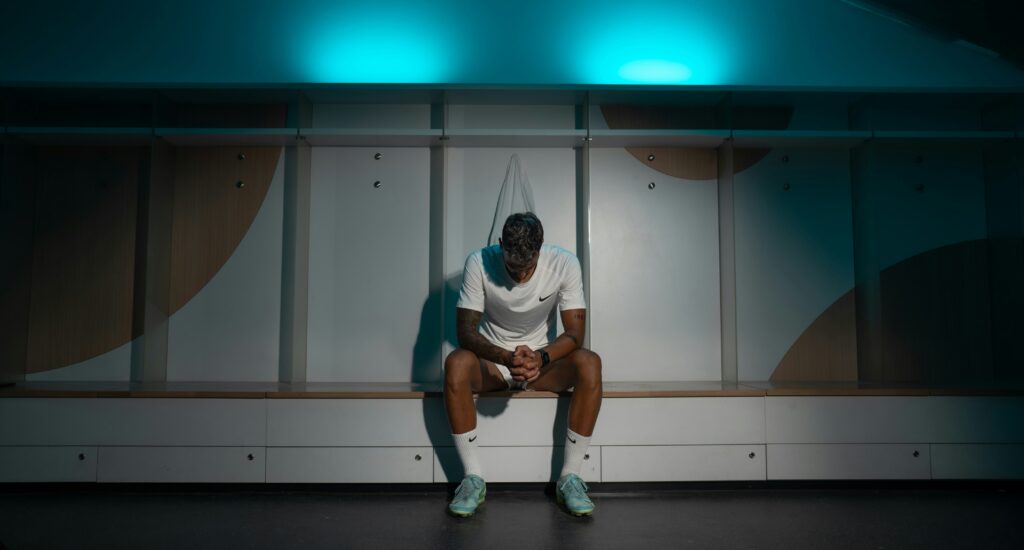
There’s a particular kind of grief that comes from a career-ending injury, because it’s not just the loss of a sport. It’s the loss of a future you’d been building toward your entire life. The scholarship, the draft, the next season, the next Olympics, all of it gone in a moment your body didn’t get a vote on.
What makes this grief harder to process is that it doesn’t look like grief from the outside. People expect you to bounce back, stay positive, find the next thing. But your nervous system is holding a loss that hasn’t been acknowledged, let alone mourned. We create the space to actually do that.
What We Work Through:
✓ Grief for the athletic future that was taken
✓ Anger, resentment, and the weight of injustice
✓ Rebuilding identity outside of sport
✓ The body that feels like it betrayed you
✓ What comes next — on your terms this time
RETIREMENT & ELIGIBILITY LOSS
You Finished. Now What?
Retirement and eligibility loss are supposed to feel like accomplishments. And sometimes they do, for a moment. But underneath the celebration, many athletes find a disorientation they weren’t prepared for. The structure is gone. The team is gone. The clear daily purpose, the thing that told you exactly who you were, is gone.
This is what happens when an identity that took years to build disappears overnight. We work with the grief, the lost structure, the identity vacuum, and the very real question of who you are now that the sport is over.
What We Work Through:
✓ Loss of structure, routine, and daily purpose
✓ Grief for the athletic identity
✓ Disconnection from former teammates and community
✓ Feeling invisible without your athlete status
✓ The pressure to “move on” before you’re ready
identity reconstruction
You Know Who You Were.
Now You Have to Find Out Who You Are.
For most athletes, the sport answered every major identity question: What am I good at? Where do I belong? What do I do with my intensity, my competitiveness, my need to push? Take the sport away and those questions come flooding back with no clear answers.
Identity reconstruction isn’t about replacing the athlete with something new. It’s about excavating who you actually are underneath the role, the values and drives that belong to you and not just to the sport.
What We Work Through:
✓ Who am I without the sport?
✓ Reconnecting with values, not just roles
✓ Where your intensity and drive belong now
✓ Social identity and belonging outside a team
✓ A self-concept that doesn’t depend on performance
FINDING PURPOSE BEYOND SPORT
The Drive Is Still There. You Just Don't Know Where to Put It.
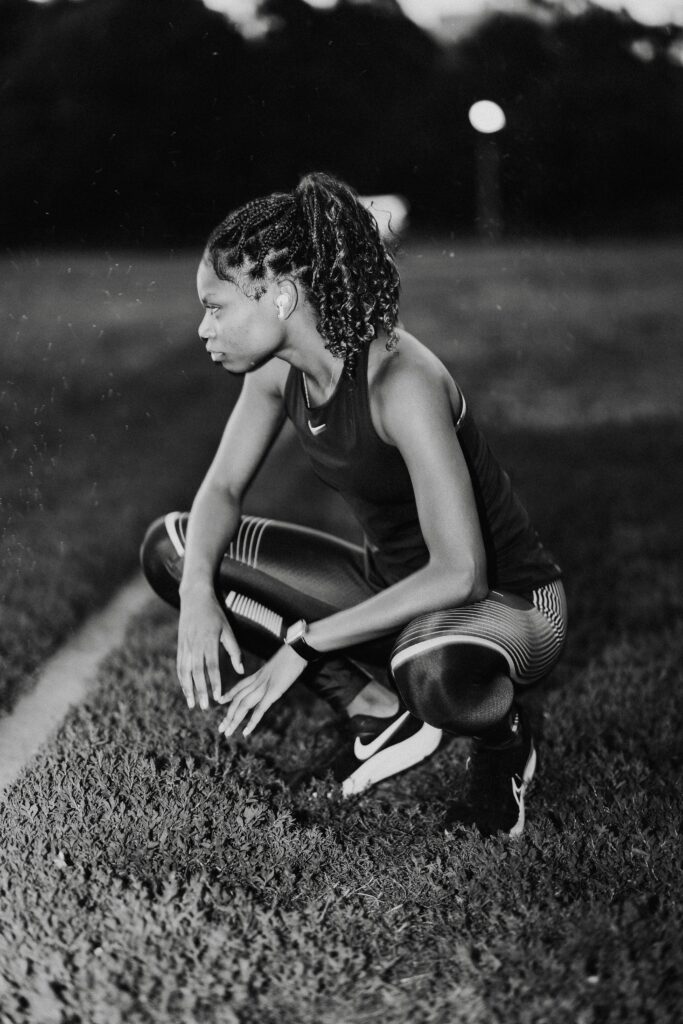
One of the hardest things about life after sport isn’t the grief, it’s the energy. Athletes are wired for high intensity, clear goals, measurable progress, and competition. None of those things disappear when the sport ends. What disappears is the container for them.
This work isn’t about “finding your passion” in some abstract self-help sense. It’s about understanding what actually lit you up about competing, and finding the real-world contexts where those things exist. Purpose isn’t just a cognitive decision. It’s something you feel.
What We Work Through:
✓ What actually drove you in sport (beneath the sport itself)
✓ Channeling intensity and competitiveness outside competition
✓ Goal structures and progress in non-athletic life
✓ Career and vocation as a domain for excellence
✓ The long-term project of a life well-lived
A Few Things People Ask Before Their First Visit
Isn't this just about needing a new hobby?
No. What most people call “find a new hobby” is a cognitive solution to a body-based problem. Your nervous system built an entire identity around sport, and that doesn’t dissolve by picking up a new activity. We work with the grief and the physiology underneath it. Finding a new hobby in service of trying something new is great, and can be very rewarding. Finding a new hobby in service of distracting yourself from what’s actually happening is another thing.
I retired years ago. Is it too late to work through this?
Not at all. The nervous system doesn’t work on a timeline. Patterns that were formed during your athletic career can stay stored in your body for years or decades. Whenever you’re ready to work with them, we can.
I still compete, but I know my career is ending soon. Can I start now?
Yes, and honestly, this is ideal timing. Starting the identity work before the transition happens means you’re not building from zero when the sport ends. We can do the foundational work while you’re still competing.
My sport ended badly — conflict, injury, something I'm still angry about. Does that matter?
It matters a lot, and it’s something we work with directly. How sport ends shapes how the grief and identity loss land in your body. A forced ending, through injury, a coach’s decision, a team cut, carries a different charge than retirement on your own terms. We work with that distinction.
Your Athletic Self Isn't Gone. It's Waiting to Be Rediscovered.
Book a consultation. Let’s start by understanding what your body is still carrying from your time in sport.